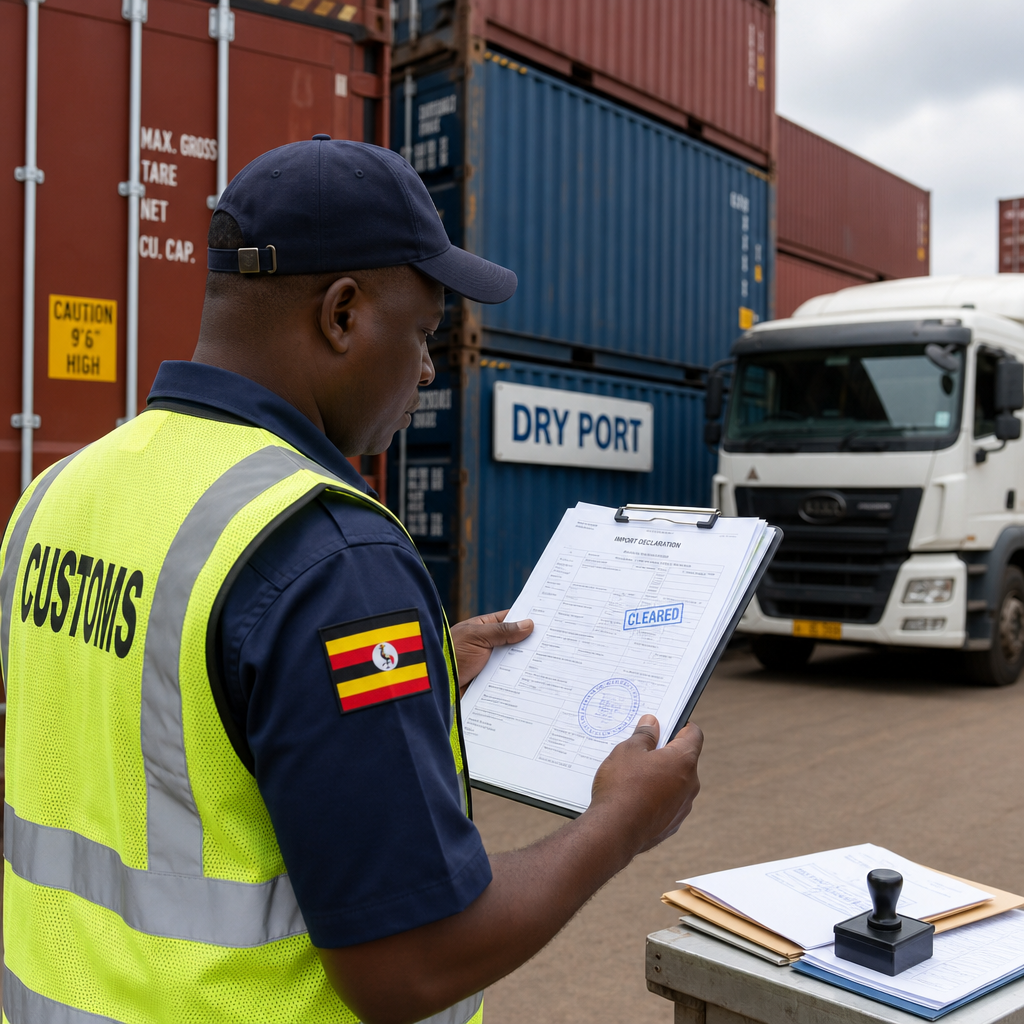
Customs Clearance
Accurate declaration handling, compliant documentation, and smooth border processing to reduce delays and protect shipment timelines.
Semliner Xpress Logistics
Customs Clearance • Freight Forwarding • Supply Chain Solutions
Move cargo with confidence across Uganda and East & Central Africa through responsive coordination, practical customs expertise, and dependable corridor execution.
Core Services
From customs processing to freight coordination and inland delivery, we provide disciplined, dependable support for business-critical cargo movement. Explore the service stream to discover how each capability supports faster, cleaner, and more confident trade operations.
Accurate declaration handling, compliant documentation, and smooth border processing to reduce delays and protect shipment timelines.
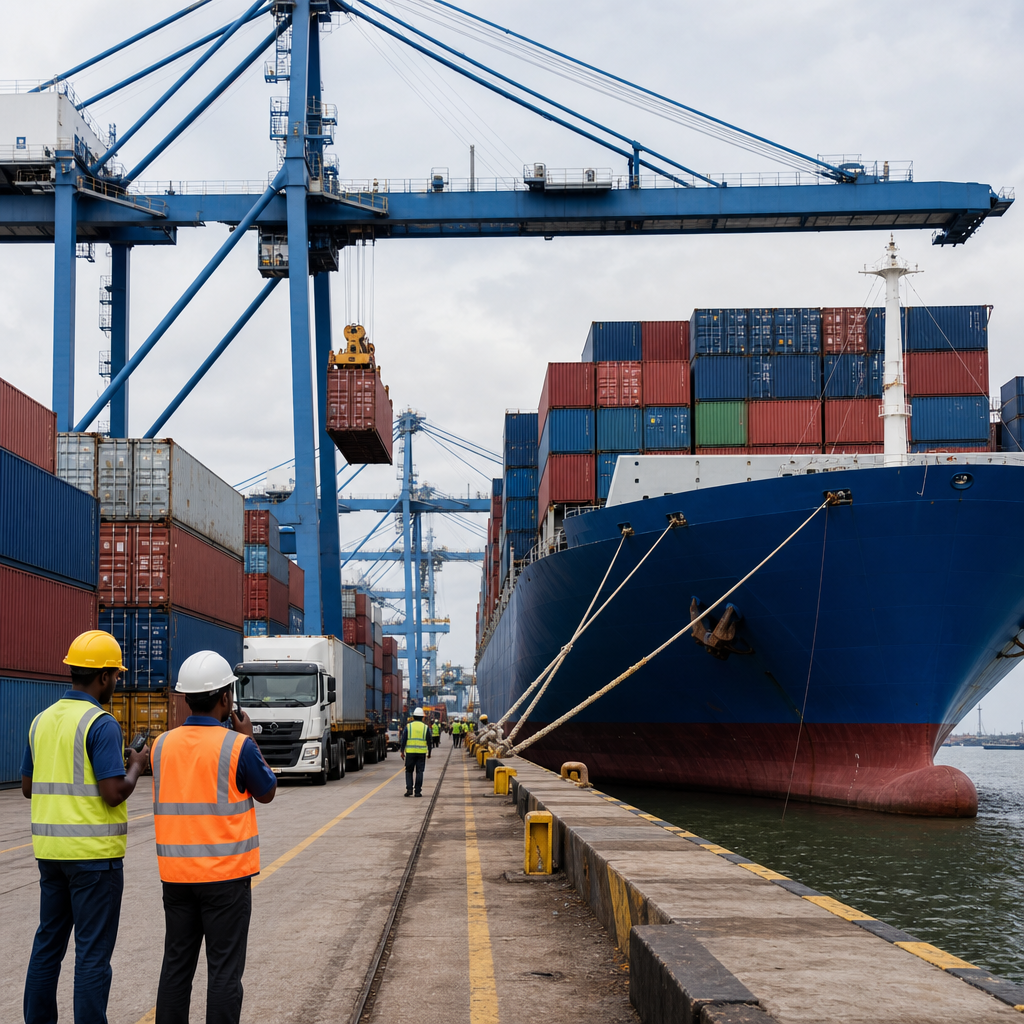
Coordinated sea, air, and land freight planning with clear communication and routing discipline from origin to final destination.
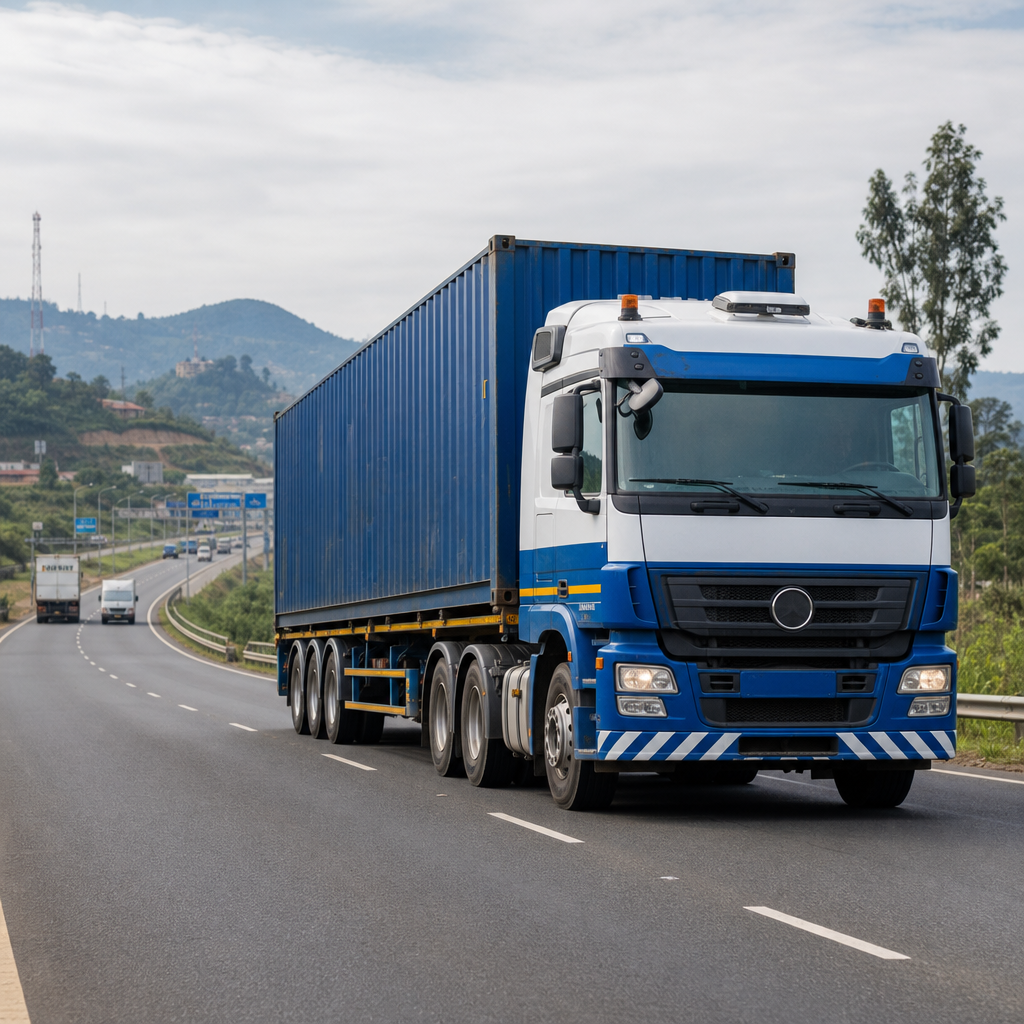
Reliable regional trucking and inland distribution with practical scheduling, route awareness, and delivery follow-through.
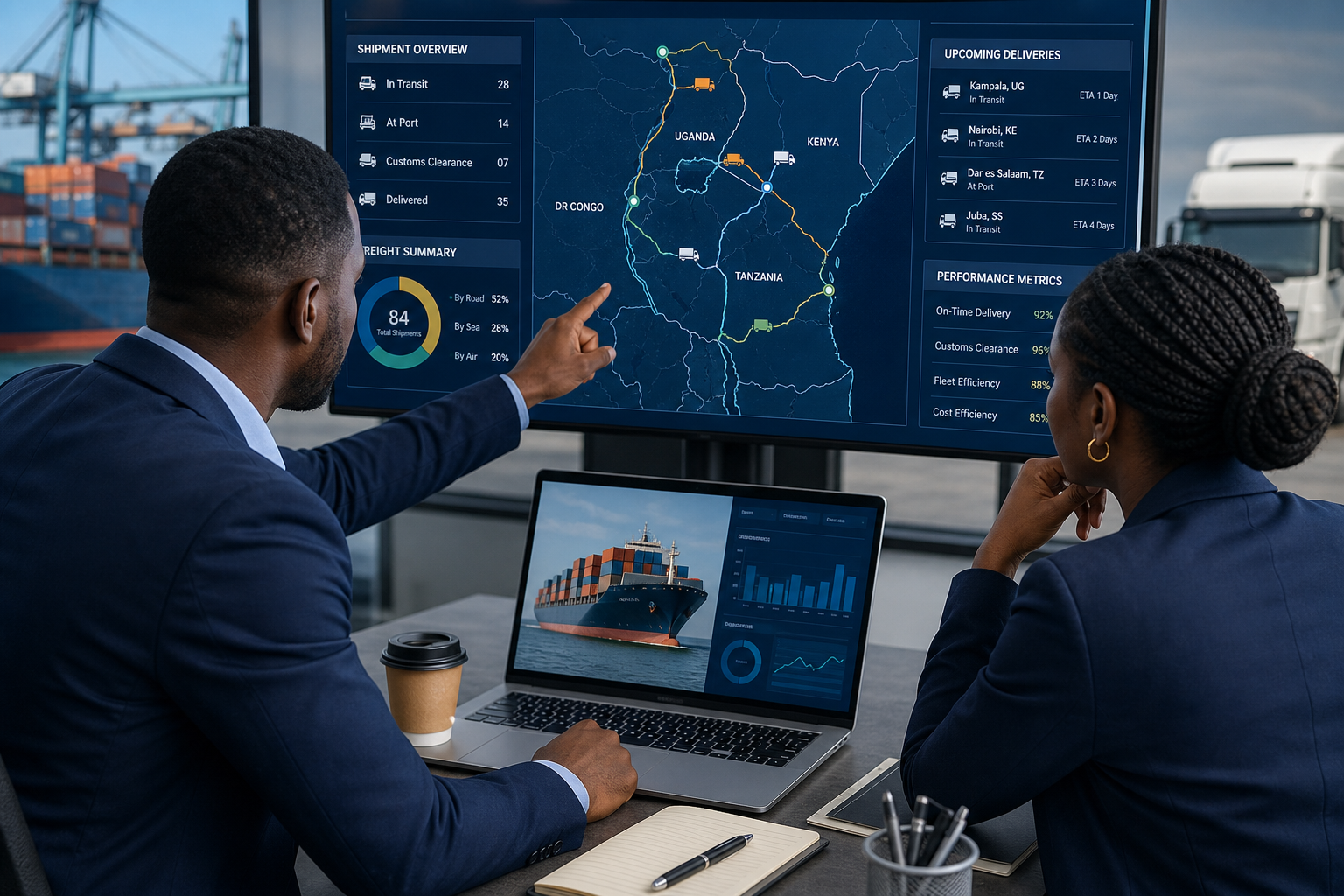
Optimize your logistics operations with our expert supply chain analysis.

Secure storage solutions with inventory management in Kampala and Mombasa.
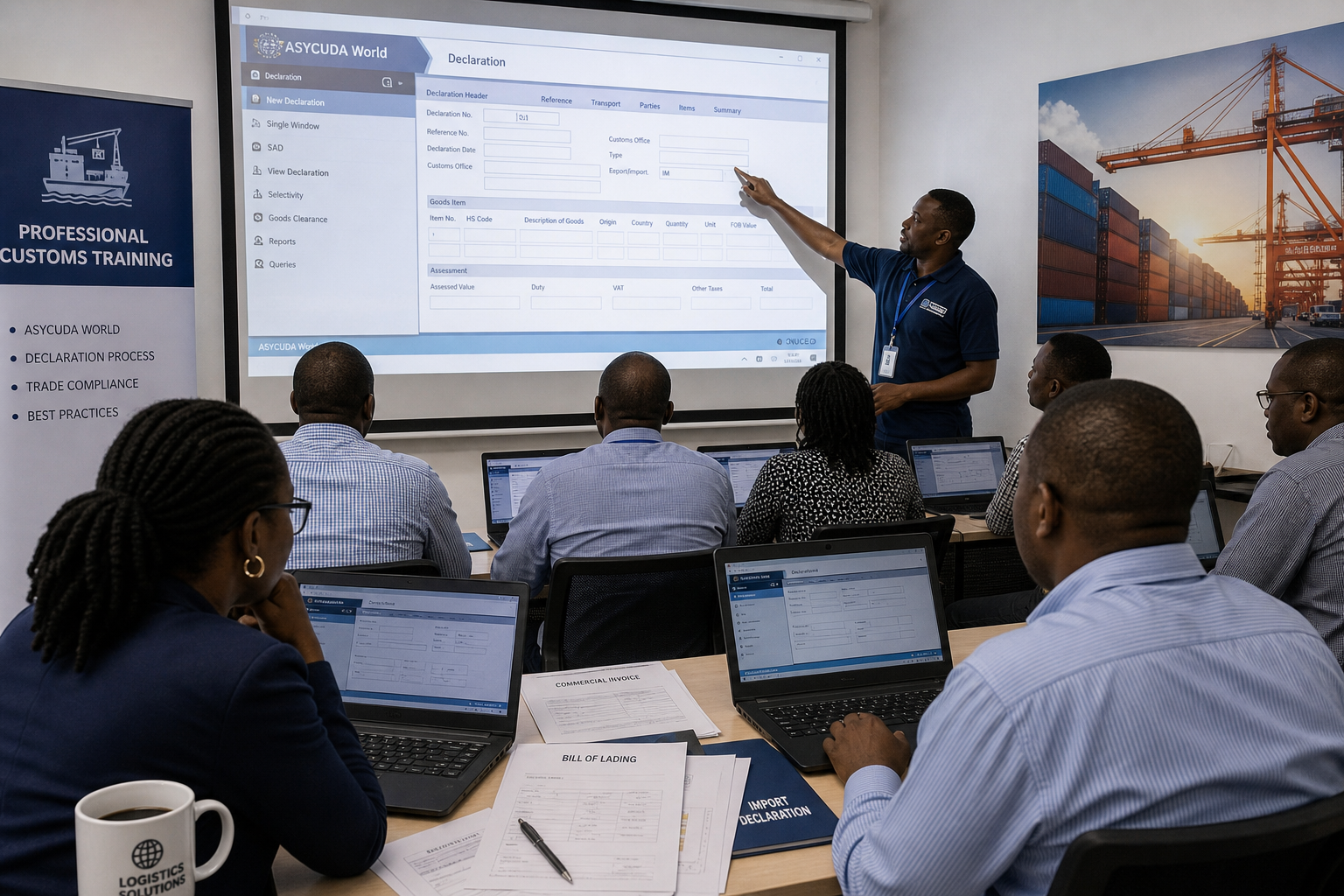
Hands-on training for customs brokers and clearing agents on ASYCUDA World.
Swipe or scroll horizontally to continue exploring service capabilities.
Trade Corridors
Most of the cargo we handle moves along two main trade corridors connecting Uganda's landlocked market to the Indian Ocean. We also coordinate cross-border movements to Rwanda, South Sudan, and Eastern DRC.
The busiest route for Uganda-bound cargo. Goods are discharged at the Port of Mombasa, cleared through Kenyan customs, and trucked by road to the Malaba or Busia border posts before continuing to Kampala and onward to Rwanda, Burundi, and Eastern DRC.
An increasingly popular alternative via Tanzania. Cargo is discharged at the Port of Dar es Salaam, cleared through Tanzanian customs, and trucked via the Tunduma border to Mutukula and into Uganda. Frequently used for goods moving to Rwanda and Burundi.
Overland movement of goods cleared in Uganda for onward delivery to Rwanda and Burundi. We handle the transit documentation and the cross-border handover to our partner carriers at Gatuna and Kanyaru.
Cargo destined for South Sudan is cleared for export in Uganda and moved north via the Elegu/Nimule border. This corridor supports FMCG distribution, construction materials, and humanitarian relief cargo into Juba and beyond.
Industries We Serve
Our team has cleared cargo for clients across a range of industries. Each sector carries its own documentation requirements, regulatory regime, and timeline pressures — and we plan for them accordingly.
Consumable goods, packaged foods, beverages, and retail stock moving from Mombasa or Dar es Salaam into Uganda for national distribution.
Excavators, generators, building materials, steel, cement, and project machinery — including over-dimensional cargo and escorts.
Outbound clearance of coffee, cotton, tea, cocoa, sesame, and other Ugandan agricultural exports through Mombasa.
Bulk fuel, lubricants, LPG, drilling equipment, and solar equipment — with attention to EPA licensing and fuel marking compliance.
Duty-exempt relief consignment clearance for NGOs, aid agencies, and donor-funded projects, including documentation for tax waivers.
Industrial inputs, machinery, spare parts, and bulk raw materials for manufacturers in Kampala, Jinja, Mbale, and Mbarara.
Video Resources
Explore concise, field-tested explainers on customs clearance, freight flow, and smarter logistics decisions—designed to help businesses reduce delays, avoid costly surprises, and move cargo with confidence across East and Central Africa.

Step-by-step guidance on preparing compliant import paperwork and moving cargo through clearance with fewer delays.

A practical briefing on licensing expectations and compliance checkpoints for clearing agents and trade operators.

Operational walkthrough of improved port clearance steps, handoffs, and release planning to keep shipments moving.
Our Process
Every shipment we clear follows the same disciplined process. It keeps documentation clean, timelines predictable, and clients informed from first contact to final delivery.
You send us your commercial invoice, packing list, and bill of lading or airway bill. We review the documentation, verify the HS code, and send a clear quotation covering duties, VAT, and our service fee.
Before lodgement, we check every line item: descriptions, values, quantities, country of origin, and required permits. Mistakes caught here save days at the border.
We lodge the customs declaration in ASYCUDA World, process the assessment, and coordinate any queries from Uganda Revenue Authority on your behalf.
Once duties and taxes are paid, we obtain the customs release order, exit note, and any required permits so that your cargo is cleared for physical collection.
We arrange the truck, escort, or containerised transport to move your cargo from the port, ICD, or airport to your premises or bonded warehouse anywhere in Uganda.
Once the cargo is delivered, we hand over the signed delivery note and any remaining documentation, and stay reachable for post-delivery queries or audits.
Leadership Story
Semliner Xpress Logistics was founded by logistics veterans who experienced shipment delays, hidden fees, and complex paperwork firsthand. We built our company to solve those exact problems with transparent coordination, practical customs expertise, and dependable regional support.

FAQ
Answers to the questions we hear most from importers, exporters, and first-time clients.
For a clean, well-documented consignment, clearance at the border or ICD can take 1 to 3 working days. Complex cargo — such as goods requiring permits, valuation queries, or physical verification — can take longer. The single biggest factor in how fast your cargo clears is the accuracy of the documentation you send us at the start.
Standard import clearance needs a commercial invoice, packing list, bill of lading or airway bill, certificate of origin (where applicable), and any sector-specific permits. Some goods — food, pharmaceuticals, chemicals, used vehicles — also require UNBS or ministry approval. We review your documents before lodgement and tell you exactly what is missing.
Yes. We handle import clearance into Uganda and export clearance of Ugandan goods through Mombasa, Dar es Salaam, and Entebbe. Export documentation — including the export entry, certificate of origin, and any phytosanitary or quality certificates — is prepared and lodged by our team.
We clear cargo at the Port of Mombasa and Mombasa ICD, the Port of Dar es Salaam, Entebbe International Airport, and the main Uganda border posts — including Malaba, Busia, Mutukula, Katuna, Kagitumba, and Elegu. Bonded warehouse clearance is handled at the various ICDs and container freight stations.
Yes. We coordinate the full movement — from discharge at Mombasa through Kenya Revenue Authority transit clearance, road transit, Ugandan entry at Malaba or Busia, and final delivery to your premises. Transit movements are handled under customs bond and we monitor them end to end.
An HS (Harmonised System) code is the internationally recognised classification for your goods. It determines the duty rate, VAT, and any regulatory requirements. A wrong HS code can trigger a valuation query, delay release, and in some cases attract penalties. We verify HS classification against URA's tariff before lodgement so the entry is right the first time.
Yes. We arrange storage for cargo awaiting clearance or onward transport — at the port, at an ICD, or in a bonded warehouse — so that demurrage and storage costs do not escalate while you finalise documentation or payment.
For perishables, urgent medical cargo, or production-critical inputs, we prioritise documentation preparation before the shipment even arrives, pre-lodge where permitted, and arrange priority transport after release. Tell us about time pressure at the enquiry stage and we will structure the clearance around it.
Valuation queries are common when the declared value differs from URA's reference values. We prepare a value justification — including supplier invoices, freight invoices, insurance, and any supporting contracts — and respond to URA on your behalf. Most valuation queries resolve within a few days with clear supporting documentation.
The total cost has three components: statutory government charges (duty, VAT, excise where applicable, and regulatory fees), port and terminal charges, and our service fee. Because duty and VAT depend on the HS code, CIF value, and current tariff, we cannot quote until we review your documents. Send us your invoice and packing list for an accurate figure.